
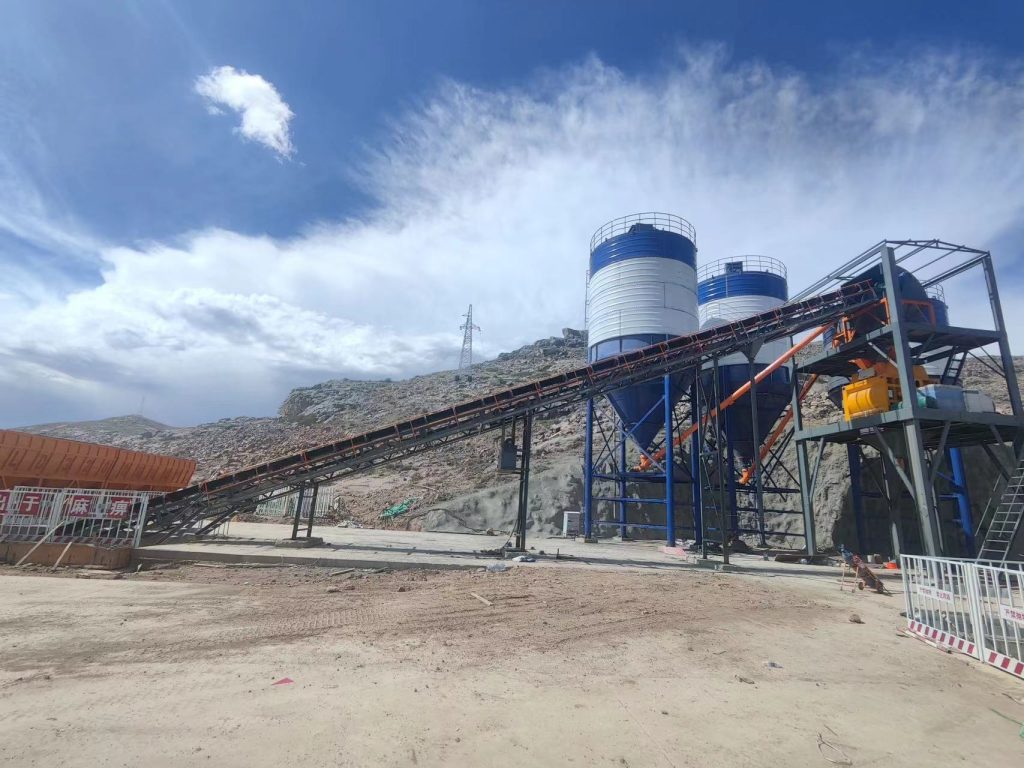
Anyone running a concrete batching plant knows concrete sets in no time. Leave mortar and aggregate stuck inside the mixer, hoppers or conveyor overnight, and it will lock solid. This buildup throws off weight readings, slows your next production run, and eats through parts far faster than it should. Lots of operators only focus on keeping production rolling, but a quick cleanup routine right after the last batch is one of the simplest ways to protect your equipment and keep concrete quality consistent.
Zhengzhou Changda Machinery Manufacturing Co., Ltd. has supplied concrete batching plants to customers all over the world for more than a decade. Our field engineers always tell clients: maintenance doesn’t wait until the next morning. It starts the moment you wrap up mixing for the day. Below are straightforward steps your crew can follow after every shift.
Step 1: Start with the main mixer
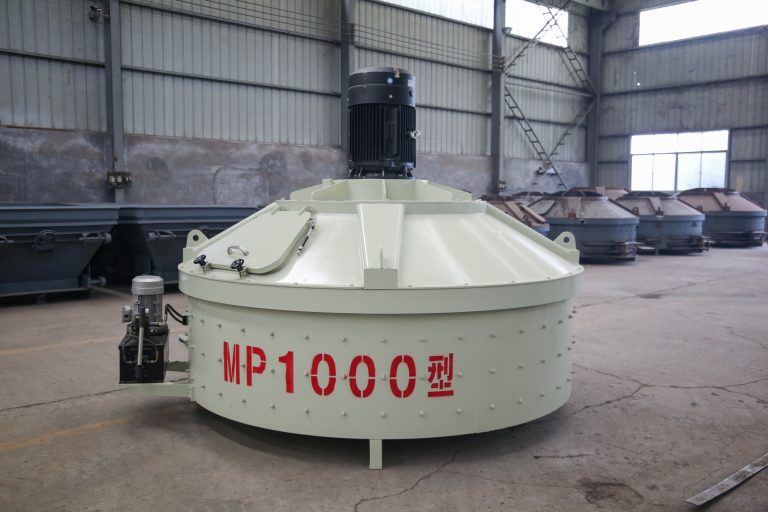
Residue builds up worst on drum walls, mixing blades, liners and discharge gates. Once production stops, run the empty mixer with clean water and a small load of stones for 3–5 minutes. This knocks loose stuck mortar from the drum and mixing arms. When done, drain all dirty water completely.
Hook up your pressure washer and rinse the drum interior, discharge opening and shaft seal area. Don’t wait for concrete to fully harden then try chipping it out by hand. Chiseling hardened concrete can crack liners and bend blades. While rinsing, take a quick look at blade and liner wear. Also check the shaft seal for slurry leaks. Small leaks caught early won’t turn into expensive breakdowns later.
Step 2: Clean weighing hoppers, belt conveyor and discharge chute
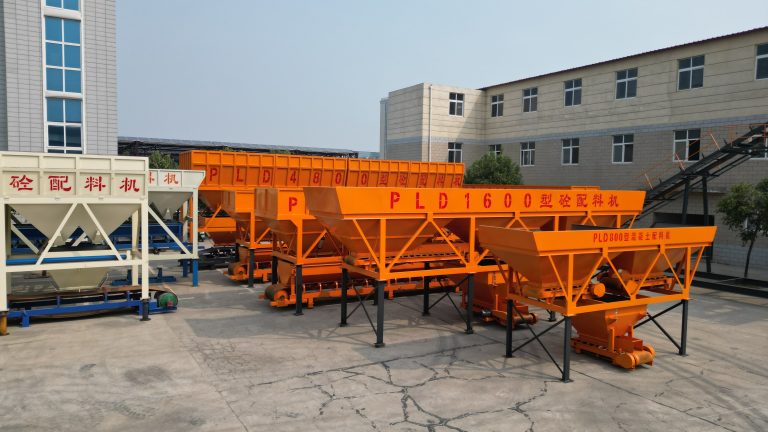
Sand, cement and mortar residue easily sticks to weighing hoppers. If you leave it there, it skews weight measurements and messes up your concrete mix ratios. Wash all weighing buckets and scrape away any stuck material.
Walk the whole length of the belt conveyor. Clear spilled aggregate and mortar off the belt, rollers and support frames. Check the belt for tears, scratches or misalignment. Clean out concrete buildup inside the discharge chute so material flows freely when you start up next time.
Step 3: Flush water and admixture pipelines
Admixture can settle and harden inside pipes if it sits idle overnight. At the end of each workday, flush all water lines, admixture tanks and delivery pipes thoroughly. Empty leftover liquid and clean dosing nozzles to stop blockages. A clogged admixture pump will directly affect concrete strength and uniformity.
Step 4: Check dust collector and tidy up the site
Wipe dust off dust collector filters and inspect filter bags. Too much dust buildup creates pressure issues inside cement silos. Check silo gate seals and make sure silo hatches are closed tight. This keeps moisture out and stops cement from caking up inside.
Clear spilled concrete and aggregate from the plant floor. A neat workspace reduces trip hazards, and it’s much easier to spot oil leaks or loose bolts during routine checks.
Step 5: Lubricate, inspect and shut down safely
Once cleaning is finished, go over key lubrication points, especially mixer shaft bearings and hinge joints. Top up grease where required. Check motors, reducers and air compressors for oil leaks or unusual heat. Drain any trapped water from the air tank.
Stick to your normal shutdown procedure and cut all power. Leave the mixer door open so air can circulate and dry the interior, cutting down rust risk. If cold weather is coming, drain all standing water from pipes to avoid freeze damage.
Why this routine really matters
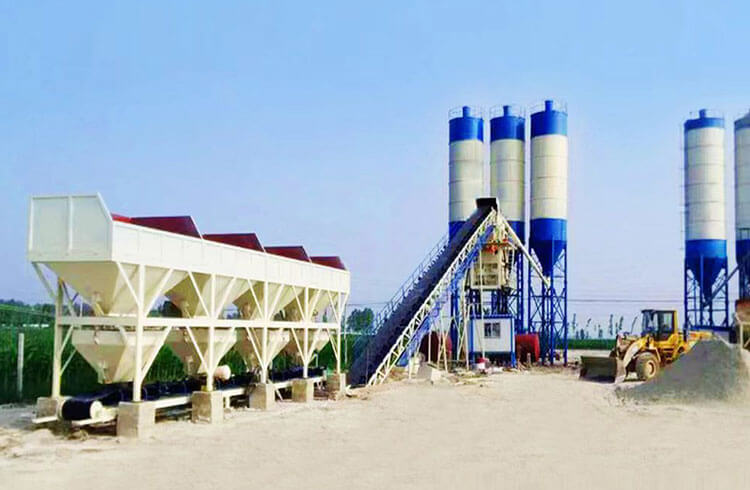
Skipping daily cleaning might save your crew 30 minutes today. But it often leads to hours of costly downtime down the line. Hardened concrete wears out spare parts, hurts mixing performance and creates safety hazards. Plants that stick to end-of-shift cleaning maintain steady output, need fewer replacement parts, and hold their value better over years of operation.
At Zhengzhou Changda Machinery Manufacturing Co., Ltd., we don’t just build HZS stationary concrete batching plants and mobile batching plants with CE and ISO certifications. We also provide real-world operation and maintenance support for every customer. Whether you need a brand-new batching plant, wear-resistant spare parts or technical advice for your existing unit, our team is ready to help with your project.
If you run into maintenance issues, or want a custom maintenance checklist built for your specific batching plant model, just reach out to us anytime.