
You price a batching plant down to the dollar, get it quoted, and then the civil works number lands on your desk. Excavation, formwork, rebar, a slab that has to cure for a week or more before the first bolt goes in. On plenty of sites, that foundation ends up costing almost as much as the machine itself. And it stays in the ground long after you've moved on.
We hear that story a lot at Zhengzhou Changda Machinery Manufacturing Co., Ltd. It's also why foundation-free concrete batching plants keep coming up in conversations these days. Not because anyone wants a shortcut, but because the numbers usually work out. So here's the plain version: what a foundation-free plant is, what it saves you, and what you still have to deal with.
What "foundation-free" actually means
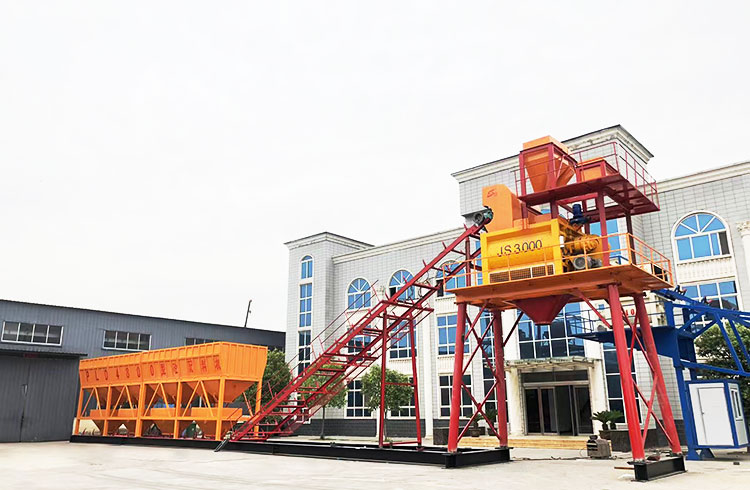
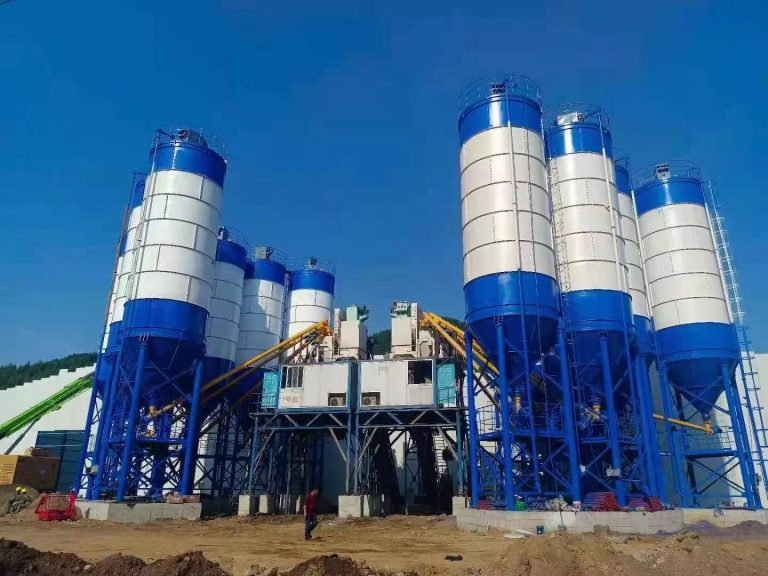
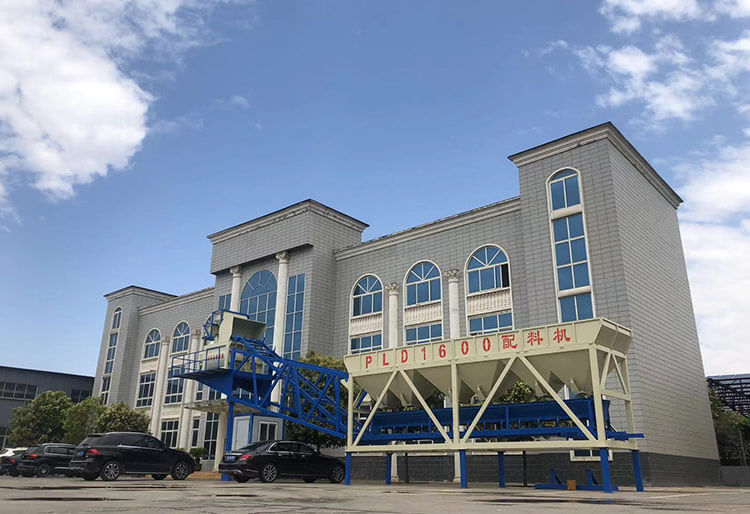
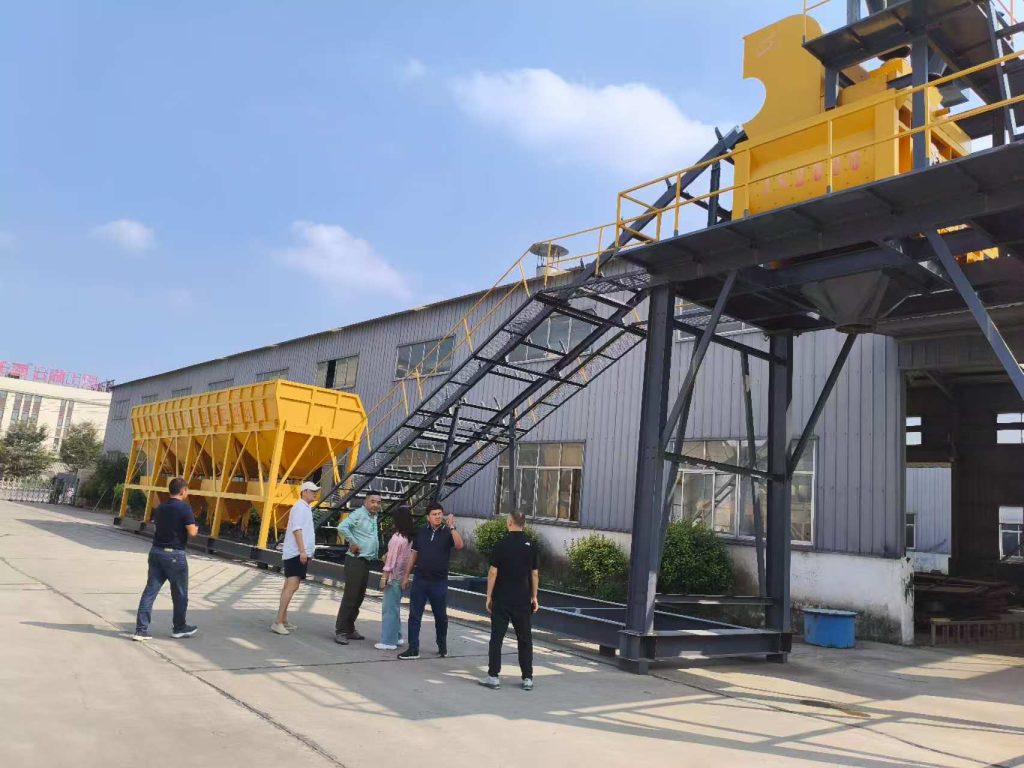
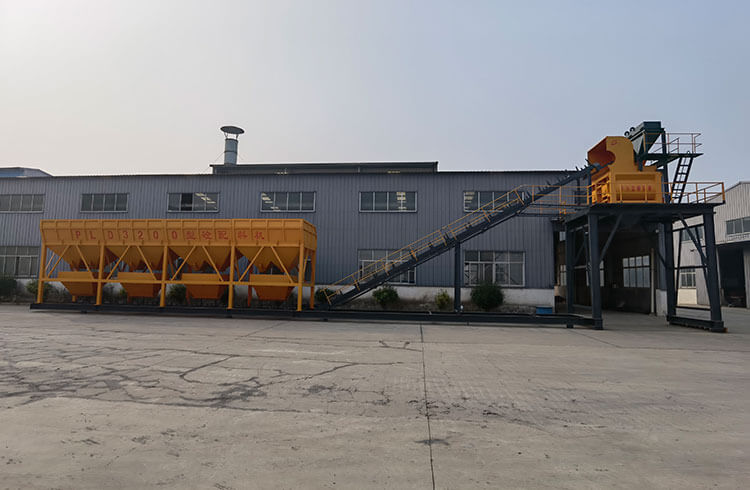
It means the plant doesn't sit on a poured concrete base. Instead, a steel frame with legs carries the whole thing, and the legs bear on leveled, compacted ground. The aggregate bins, the cement silo, the mixer, all of it comes down through that frame.
Most setups still put something under the legs, whether that's steel pads, precast blocks, or a thin slab of lean concrete. None of it is tied to the site, though. When the job's done, you unbolt, lift, and load it onto trucks. Level the ground back and there's barely a trace.
What you actually gain
Time is the big one. A poured foundation means digging, steel fixing, formwork, a pour, and curing. In cold weather that can easily eat two or three weeks before the plant can even be assembled. A foundation-free unit is usually leveled and running within a few days of crane and crew time.
Then there's the money. Civil works are a real line item: materials, labor, and often a soil report you didn't budget for. If the plant is only going to run twelve or eighteen months, that's a lot of capital buried in the ground.
Flexibility is the part that catches people off guard. Job sites are usually rented. A plant bolted to a permanent foundation is effectively a gift to the landlord. A foundation-free unit can be taken apart, trucked to the next job, and set up again. Once you've done it a couple of times, you start bidding differently, because you know your plant can follow you.
Some places also make this easier from an approval standpoint. No deep excavation, no permanent structures, fewer questions. That can pull the whole schedule forward before you even start.
What still needs dealing with
"Foundation-free" doesn't mean "no preparation." The ground has to be level and firm, and it usually needs a compactor pass and decent drainage. If a plant settles unevenly, the weighing system drifts, and a batching plant that can't weigh accurately is worse than none at all.
Loads deserve a closer look. A full cement silo is heavy and tall, and wind load is a real number, not a footnote. Any supplier worth calling should be able to tell you the bearing requirements, and whether small concrete pads under the legs are worth it on your soil. On soft or waterlogged ground, you still want an engineered solution.
Vibration is the detail people overlook. The mixer is the heaviest, most dynamic part of the plant, and the frame has to be stiff enough to hold it. That's where a thinly built frame shows its hand. Ask how the frame is braced, and what the manufacturer actually does about dynamic loads.
Most units in this class run from about 25 to 75 m³/h, which covers the typical job site. If you need a lot more than that, the foundation question deserves a longer conversation.
When it makes sense
From what we see on the ground, the buyers who get the most out of it are the ones on short-term sites: rented ground, road and bridge crews that move every season, precast yards that started small and plan to grow somewhere else. If you're on a site for five years with good ground, a permanent foundation can still be the right call. If you're there for eighteen months, the math rarely favors it.
A word from us
We build batching plants in Zhengzhou, and foundation-free units are a regular part of what we do. We're not going to tell you they're right for every job, because they're not. What we can do is talk through your site: soil conditions if you know them, expected output, how long you plan to stay. We'll tell you straight whether a foundation-free setup works for your numbers, and if it does, we'll size the plant to match.
If you want to run a specific project past us, write with your site details and expected output. You'll get a direct answer, not a sales page.